
Why Static Reef Tactics Fail on Shifting Sand
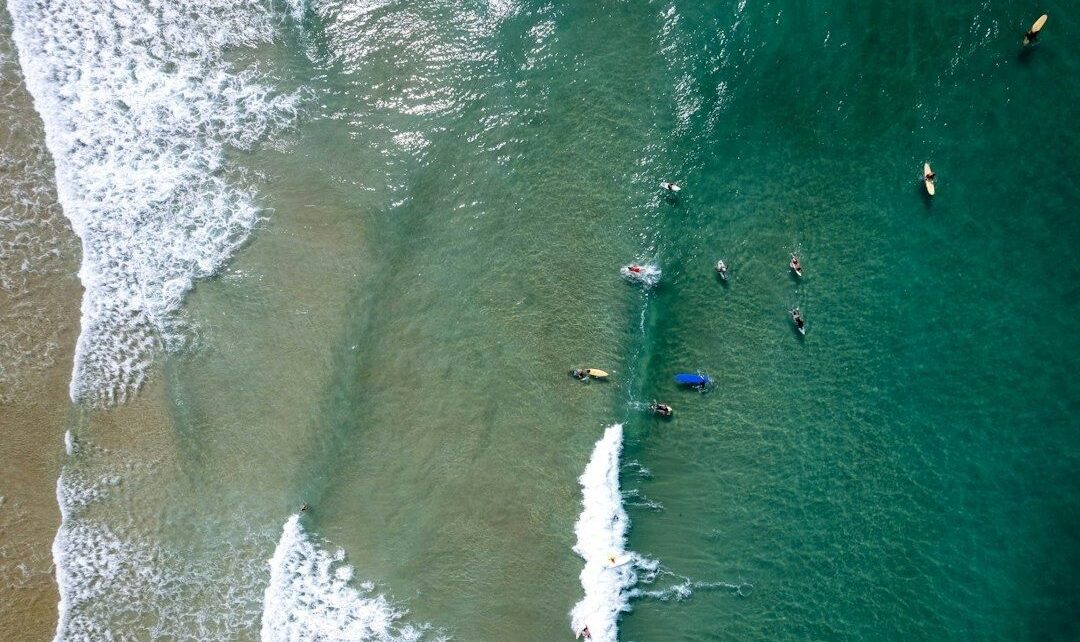
A reef or point break gives the eye a fixed reference. The takeoff zone may move slightly with tide and swell direction, but the underwater structure remains broadly stable, so surfers can build a repeatable model of where waves stand up, where they race, and where the shoulder opens. A beach break offers no such guarantee. Sandbars migrate, channels deepen, gutters fill, and the best peak can slide several dozen metres during one session. The wave you watched from the beach may not be the wave that arrives beneath your board.
That instability exposes the limits of static priority habits. A surfer who sits permanently on one marker can suddenly find the peak beside them, while another surfer appears to have inside position simply because the sandbar shifted. The answer is not aggressive paddling or frantic chasing. It is active observation: track the current, read the first lump of each swell, and reposition early enough to arrive at the breaking section without cutting across another rider. A broad overview of surfing and wave generation provides useful background for understanding why changing seabed contours produce such different breaking patterns.
Anatomy of a Shifting Sandbar and How Swells React
Sandbars are shaped by the interaction of wave energy, tidal flow, wind, and the seabed. A gently rising bottom usually encourages a spilling wave, where the crest tumbles gradually and offers a forgiving shoulder. A sharper transition can create a plunging wave, with a steeper face and a lip that pitches forward. If the bottom becomes very shallow close to shore, the wave may surge up the beach without forming a sustained rideable face. These categories are not permanent labels for a beach. The same stretch can change from soft and spilling to steep and hollow as tide depth, swell period, and sand placement change.
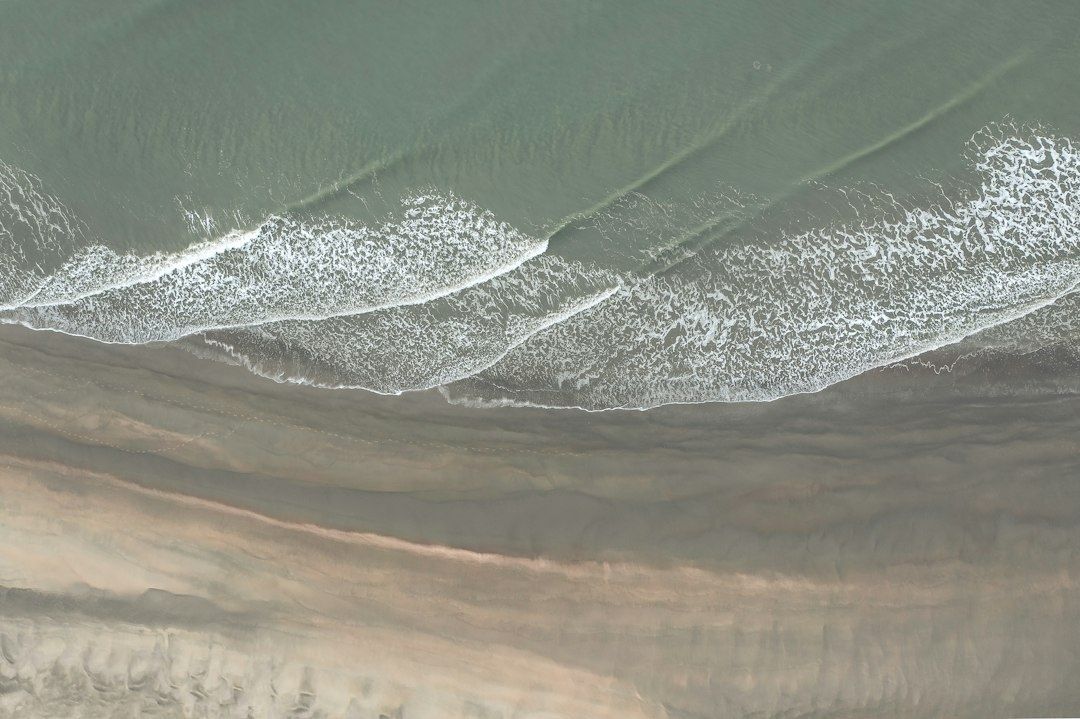
Look for the water features that reveal the underwater map. Darker or smoother lanes can indicate gutters and deeper channels. A line of broken foam moving steadily seaward often marks a rip current. Foam that travels laterally before bending offshore can show the feeder current supplying a rip. These features can help identify both safer paddle routes and likely peaks, but never treat a rip as an automatic shortcut. Its strength varies, and a channel that assists the paddle out can carry a surfer away from the intended lineup. Check the current from shore, enter conservatively, and keep an exit route in mind.
| Feature | Typical clue | Surfing implication |
|---|---|---|
| Stable point | Fixed headland or reef contour | Predictable takeoff and peeling direction |
| Shifting sandbar | Changing peaks and uneven foam lines | Frequent repositioning and flexible wave selection |
| Gutter or channel | Darker water or smoother surface | Possible paddle route, current hazard, and sandbar boundary |
| Closeout bank | Continuous wall of whitewater across the shore | Move toward the edge of the section or wait for a reform |
The key comparison is simple. A point break rewards repetition, while a beach break rewards interpretation. At a point, the lineup often rotates around a known takeoff. On a sandbar, the real peak may be the place where the swell first slows over a shallow patch, not the place with the most visible foam. Powerful surf can also hide the useful shoulder. Aerial or shore-based observation is valuable because it reveals stacked sets, lateral movement, and whether a promising peak closes out after two seconds.
Mastering Dynamic Triangulation from the Lineup
Dynamic triangulation means using three or more fixed references to determine where the lineup is moving. Choose landmarks such as a lifeguard tower, building edge, dune feature, headland, or distinctive tree. Note the relationship between those landmarks and nearby surfers, then check the alignment again after each set. If the same surfer appears farther down the beach against the landmark, the current is carrying the lineup laterally. Without those references, it is easy to mistake drift for a change in the sandbar.
Read the swell before it becomes a wave. Early lumps often appear as darker bands, slight surface elevations, or a change in reflected light. Follow the lump across the horizon and ask three questions: where does it first steepen, does the peak divide, and does the shoulder maintain enough open face to ride? The real shoulder is usually identified by a line that keeps moving along the bank, rather than a section that stands abruptly and collapses across its entire width.
- Keep the head up during the final approach. Looking down at the nose hides the wave direction and the surfers around you.
- Ten seconds before the set arrives, angle the board toward the anticipated shoulder instead of paddling straight toward the horizon.
- If the lump grows behind one shoulder, make a small lateral adjustment rather than a full sprint across the lineup.
- Match paddle effort to the wave. A fast, steep peak needs commitment; a softer shoulder rewards earlier, smoother acceleration.
- Confirm the lip line before standing. If the breaking section is already ahead of you, redirect or let the wave pass.
Micro-adjustments are more efficient than dramatic repositioning. Ten seconds before impact, set the board on a diagonal that points toward the open face, then use two or three powerful strokes to establish momentum. Avoid turning too early and ending up below the steepest part, but also avoid waiting until the lip is directly overhead. Good positioning gives the wave time to lift the tail of the board. A clean entry angle then allows the first trim or bottom turn to follow the wave”s peeling speed instead of fighting it.
Lineup Etiquette and Fluid Priority in Busy Sandbar Arenas
Priority on a beach break must remain clear even when the peak is not. The basic principle still applies: the surfer closest to the breaking part has the strongest claim, provided that surfer is committed and able to ride the wave safely. When an A-frame splits into a left and a right, each direction can belong to a different surfer. Make the choice early, hold the chosen line, and communicate with a concise call such as “left” or “right.” A vague paddle or late direction change creates more danger than a clear decision.
Fluid positioning does not mean fluid ethics. A surfer may move to follow a peak, but should not paddle through another rider”s line simply to manufacture inside position. If a surfer misses a wave, the next person in position may take the opportunity. After riding, return through the channel where possible and allow the rotation to develop rather than paddling directly back to the impact zone. In crowded conditions, spacing and awareness matter as much as wave count. Practical guidance on surfing in crowded lineups also emphasizes realistic expectations, communication, movement, and respect for other surfers.
- Watch the ability and habits of nearby surfers before choosing a position. Avoid sitting in the path of someone who is unpredictable or unable to control a board.
- Move along the beach during quieter windows, such as early morning or late evening, when local conditions and access make that appropriate.
- Use a simple call when two surfers are going for a split peak, and abandon the wave if the intended direction is no longer safe.
- Do not snake around a waiting surfer by paddling inside at the last second.
- Leave room for surfers riding through the shoulder, especially when the section may reform or connect farther down the bank.
On a long beach, the best crowd strategy is often geographical rather than tactical. Spend ten minutes observing several banks before committing. A less dramatic peak with a working channel may produce more waves than the obvious peak surrounded by ten surfers. Choose a zone that offers enough room for mistakes, identify the likely escape route, and accept that fewer waves can still produce a better session when each one is ridden cleanly.
Four Steps to Claim Clean Takeoffs Without Forcing Priority
Clean takeoffs begin before the set reaches the lineup. The goal is to establish a position that makes a wave available without competing for every possible peak. A shortboard, mid-length, or bodyboard may require different timing, but the underlying process remains the same: read the bank, commit to a zone, build speed early, and respect the rider with the better line.
- Scan the lateral sweep and pinpoint the feeder channel before entering the water. From shore, watch where foam and floating debris move. Identify the channel that may offer the easiest paddle route, then note which side of it produces shoulders. Do not assume the deepest-looking water is safest. Check current strength, shorebreak, rocks, and the ability to return to shore before paddling out.
- Commit to a 50-metre zone rather than chasing phantom peaks across the entire beach. Pick a workable bank and study it through several sets. Chasing every flash of whitewater burns energy and places you in other surfers” paths. A defined zone creates better local knowledge: you begin to understand which lumps stand up, which waves close out, and where the current deposits you.
- Sprint-paddle diagonally into the pocket to confirm inside position without cutting off fellow riders. When the wave begins to steepen, angle toward the open face and accelerate with purpose. Check over the shoulder before committing. If another surfer is deeper or already moving with a clear line, pull back early. If the peak is open, the diagonal approach helps create separation and reduces the chance of dropping straight into a closing section.
- Execute a decisive, clean entry angle that matches the wave”s peeling speed. A steep, fast wave may require a higher line and a committed takeoff. A soft shoulder may require earlier paddling and a flatter entry. Once the board starts sliding, keep the first movement efficient: eyes toward the open face, chest lifted, rail engaged, and weight ready for the first trim. Hesitation often turns a makeable wave into a late drop or a collision.
Do not confuse decisiveness with entitlement. A strong paddle is useful only when the wave is yours to take. If the situation becomes ambiguous, prioritize safety and yield. Missing one wave costs less than forcing a takeoff that crosses another surfer”s path. The most productive surfers in shifting beach breaks are often those who spend less energy fighting for position and more energy recognizing the right wave early.
Own Your Next Beach Break Session with Fluid Confidence
A shifting beach break is a moving puzzle, not a disorganized version of a point break. Its clues appear in the sandbar shape, foam lines, rip currents, early swell lumps, and the movement of other surfers. Static positioning becomes a liability when the bank migrates. Dynamic triangulation, measured movement, and early decisions create a more reliable wave count without sacrificing safety or etiquette.
Before entering the water, run a short checklist: where is the current going, which bank has an open shoulder, where is the feeder channel, and what landmarks will reveal drift? In the lineup, reassess after every set, keep the head up, communicate direction, and give priority to the surfer with the clearest inside line. Choose a workable zone, not a fantasy peak, then let observation guide each adjustment. Fluid confidence comes from staying adaptable while keeping the rules fixed: protect the person already committed, avoid collisions, and let smart positioning do the work.